Planting Seeds


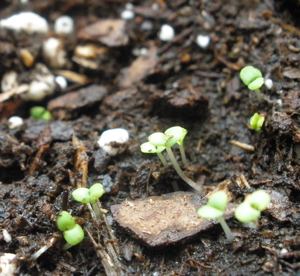
Seedlings June 18, 2010, planted June 15, 2010

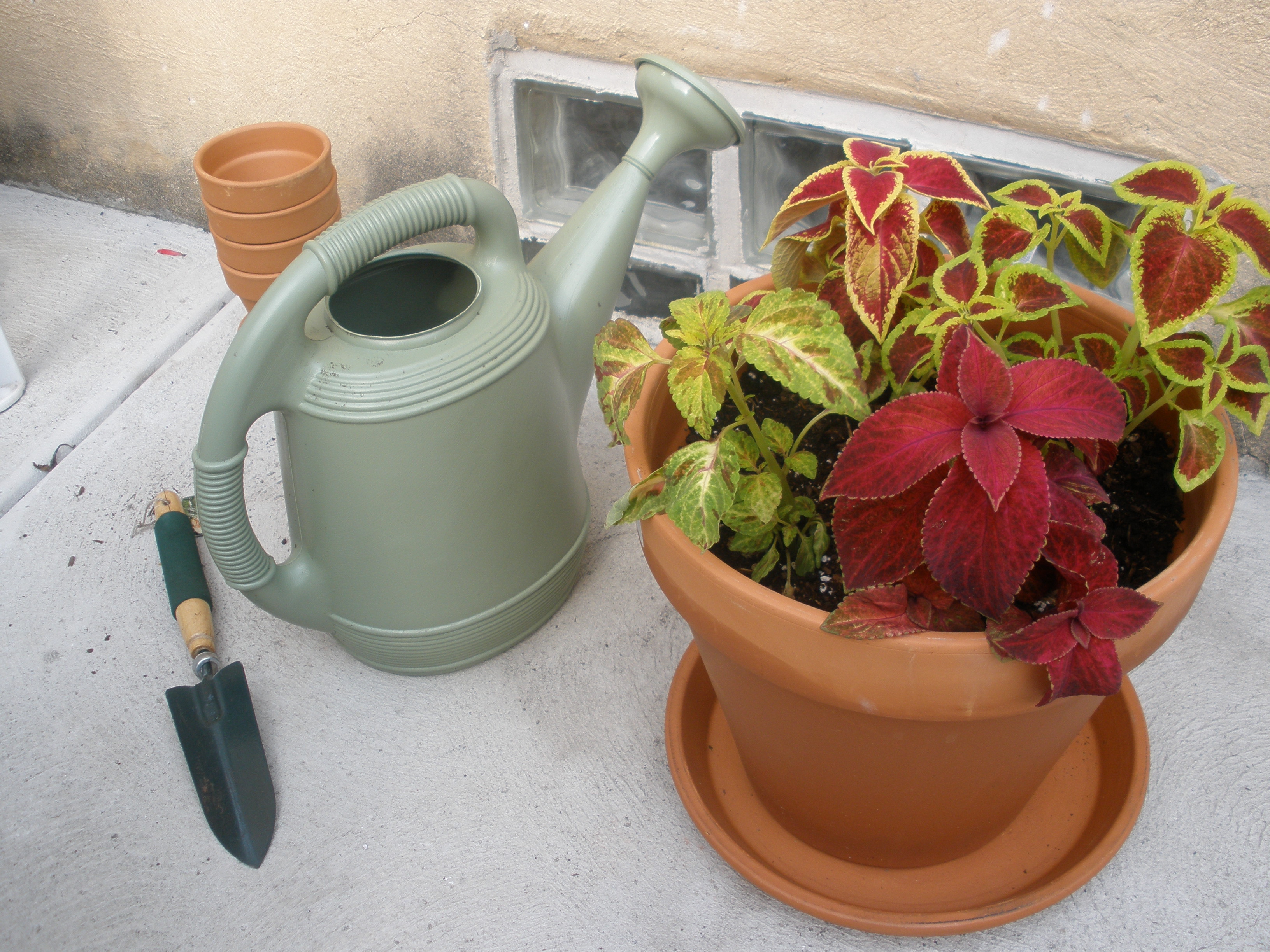
This morning I noticed my herb garden is beginning to germinate. I was so delighted by the discovery. Transplanting plants provides immediate gratification, but planting seeds is much more rewarding. My little concrete garden is growing well and developing. Each day I pray I don’t kill my potted plants and houseplants, hoping I won’t drown them or let them dry out. Each morning I wake up pleasantly surprised that my flowers continue to bloom and my plants are taking root. As I care for the seedlings, I have much more time to reflect on the process of growth and development. Its hard to imagine my husband at 6’5″ starting out as a single fertilized cell. But each one of us came from such humble origins and those seeds are reminders. It’s really a miracle how I got here, that I’m still standing here. I am grateful for the little signs of Allah’s creations.

As I plan the curriculum for summer camp, we’re thinking about a science class featuring gardening, nature walks, and visits to the museums. Children often enjoy watching their classroom gardens grow. Children as seeds is an obvious metaphor. Everything we do in life requires cultivation and care. Finding our strength requires patience and diligence. I have my seeds and transplants for the fall. I look forward to the fall harvest and what I’ll learn about life between now and then.

Can We Rally for the Girl who Got Punched in the Face?

Activists are outraged by a Seattle Police officer punching a 17 year old girl in the face. If you haven’t seen the this, here it is:

Yes, it is was a brutal punch. You could see her neck snap back from the impact. I’m totally against men hitting women. But was there some basis for his actions? The video clip doesn’t tell the whole story. It is much more complicated. Please watch the full video and keep in mind what is our legal obligation as citizens when facing the force of the state, the police.

I’m going to lose some friends now. But let me preface this with my own perspective on police brutality. It’s a sensitive subject in my family because my uncle was shot and killed by police. My brother would get pulled over and hauled off to jail for nothing less than playing music loud in his car or having tinted windows. He’s been roughed up a few times also. My husband has been held at gunpoint, because he’s fit the description. Most black people have the %$#@ the police attitude. While this attitude may come from some negative interactions, it also comes from some dubious behavior. How many brothas and sistas have a bag a weed on them (if not worse), drive without insurance, or have some equipment of some questionable legal status in their ride or house? While there are many law abiding Black folks, if you’re doing something illegal you’re going to not be good friends with the police. Unfortunately, many Black people are treated as suspects due to racial profiling. So the over-all combination of mutual suspicion and animosity is bad.

I’m 100% against racial profiling. I think that police should be held accountable for their actions, especially in cases like Oscar Grant. But I don’t have the $&#@ the police attitude. I’ve been home during a home invasion and the suspect attacked the police officer who came in response. My mom’s friend came to the officer’s aid when the suspect attacked the police officer. The cop pressed the panic button and it ultimately took 5 cops to subdue the suspect. Turns out the suspect was high on PCP or something like that. I’ve known someone who attempted to harm themselves with a razor blade, and the cops pulled out their guns and subdued the person, pressing their face into the searing hot concrete. This person was out of their mind, and there was no way the police were going to endanger themselves for someone in a psychotic spell. I’ve seen people arrested numerous times, but I’ve never seen anybody try to get away from the police or insult the police. That’s called resisting arrest. I’ve never seen anybody put their hands on the police to help a friend get away. That’s called assaulting a police officer.

Who tries to get away from a cop who’s going to give you a jay walking ticket? Why would your friend not take something like this seriously, but instead try to rush the police officer? Is this a street fight?
Should this incident be investigated? Yes. But should we rally around this incident to fight police brutality? Al Sharpton may jump on it. But we will do Black people a big disservice if we start marching for ignorant teenagers who don’t know that if you fight a police officer, you may get punched in the face or something much worse.

I was going to write a long article, but David Spates says it all (with some funny twists on expletives) in his Vlog.

Finding My Truth in Fiction

By the time I reached graduate school in 2004, my love of reading was not only dead, but putrified. The weight of five to ten books a week provides enough pressure to kill that joy. But to think of it, the joy of reading fiction died a slow and painful death from 1993 to 2003 during my long years trying to finish my undergraduate degree. From 1998 to 2001, I was too preoccupied with getting out of my rut as a college drop out to think about imagining the past, present, future, or alternative worlds through someone else’s eyes. As a waitress I worked double shifts and I was lucky if I had two days a week off. As a temp and admin assistant in various companies in Silicon Valley, I was often studying non-fiction books, even some motivational and popular psychology books. As a telephone operator and retail sales associate in a computer store, I was just too saturated with techno mumbo jumbo to pick up a good piece of literature. When started school in 2001, I spent most of my time playing catch up with the privileged kids at Santa Clara. I couldn’t relax and enjoy something like a book because that was too indulgent. There were no lazy Sundays reading, just crazy weekends trying to start a project far in advance or figure out how to get to graduate school. I did read novels while in school, but those were for required reading for courses. Usually I had just a night to read them. There was never time to enjoy them when I had to plow through so much material.

Since I’ve been free from indentured servitude, I have had a chance to read for my own personal enrichment. I’ve even enjoyed reading and re-reading books I’ve assigned my students in 10th, 11th, and 12th grade literature. To balance life out, I started new hobbies and revisited old ones–such as reading. Now that I have a few week off before another summer camp, I have a few weeks to indulge. Then we have about a month break till school starts again. But it will be Ramadan and I am going to focus on Quran, seerah, and Islamic texts. Now I can take a bit of a break, close my lap top, leave Hulu or netflix to turn pages.

I began reading again last year, it was an awkward slow start with Chung Kuo. Too bad all the novel’s females were merely receptacles for sperm. I couldn’t get past the first few chapters. I read Paul of Dune, but was really irked by the trend in science fiction writers to basically annihilate all people of color. In Chung Kuo, Chinese ruled the world, and of course, a white protagonist seemed bent on bringing it down. Why should I be interested in their white washed futuristic universe where I can’t possibly exist? Of if I did, I was part of what Tolkien describes as the swarthy masses. My husband reminds me that sci-fi and fantasy books, are just that–fantasy. And many white authors’ fantasies seem to be a world where there are no brown people. Likewise, the vampire books remind us that to be tragic and sexy, you have to be really really really pale. My husband took a writing course, where his classmate described a young white woman’s breasts being dragged in the forest as white and pure like bleating sheep or some nonsense like that. My husband pointed out that if the young author ascribed a value of innocence and purity to her whiteness. He asked him how would he describe a young woman’s purity if she had been a woman of color. This is in 2010, and I’ve already had my fill of classic literature in which the beauty of a woman rests on the absolute lack of melanin in her “pure” and “fair” skin. While I have steered away from Fantasy and Sci-fi, as an English teacher I can’t steer away from the English canon. That is why I’m trying to balance out the so-called classics with authors who I share some mutual history, religious, and commonality. Maybe even some of the authors affirm who I am, reflecting some of my truths as opposed to obliterating my humanity. That’s why I’m leaning more towards African American writers like Octavia Butler and writers from Muslim societies like Orhan Pamuk.

Currently Reading

  • Their Eyes are Watching God
  • The Road to Mecca

Books I’ve enjoyed reading with my students this past year

  • Othello
  • Anthem
  • The Crucible
  • Beloved
  • Fahrenheit 451
  • The Count of Monte Cristo
  • The Bread Givers
  • Taming of the Shrew
  • MacBeth
  • MidSummer Night’s Dream
  • Things Fall Apart
  • Hamlet

Books I’ve recently read on my own

  • The Translator
  • The Yaqoubian Building
  • Paul of Dune
  • The Kite Runner
  • Dracula
  • Cold Mountain
  • The Road
  • Angela’s Ashes

Summer Hit Reading List by Muslim Authors

  • Bensalem Himmich. The Polymath
  • G. Willow Wilson. Butterfly Mosque
  • Ilyasah Shabazz. Growing Up X
  • Radwa Ashour. Granada
  • Alaa Al Aswani. Chicago
  • Amin Alouf. Samarkand
  • Orhan Pamuk. The Black Book
  • Orhan Pamuk. My Name is Red
  • Leila Aboulela. Minaret

I look forward to reading more fiction by Muslim writers. Note that I call it Muslim fiction, rather than Islamic. There is a growing area of Islamic literature, where the purpose is to edify religious values. But Muslim fiction, may or may not do so. Often there is a cynicism and challenge to authority (especially religious authority), as opposed to the ideals of Islamic fiction. I find both forms of fiction extremely valuable and they speak truth to the experiences of the authors. I recognize however that there is a gap in the literature. Surveying the list of American Muslim fiction, I realize that there is a dearth of material written about the experience of Black American Muslims. A lifetime ago, I was a creative writing major in community college. I wanted to tell stories that weren’t told. So I wrote stories about two graduate students in different countries uncovering a multi-generational family history in Andalusia and Morocco. I wrote about an intercultural friendship between two women that opens the door for one of the women to begin a courtship with the other’s brother. I wrote about an unrequited love. I wrote about women who were beautiful in hijab. I wrote…I wrote…. and I wrote. One day I gave up writing, because I didn’t think I’d ever make it to the places I imagined. Looking back after so many years have passed, I realize that have been to so many of those places. And the places I want to go are within reach. Perhaps I should remind myself of the parable of the sower. Some of my students are talented writers. I hope to encourage the future generation of writers, as well as inspire myself to begin weaving my own complex tapestries of thought. Maybe together, we can spin tales that reflect our world view, build on our experiences, and speak to our hopes. Maybe we can find truth in our fiction, participating in a cultural production that says “We are here and we’ve done something beautiful.” We just have to sow those seeds so that one day they can bear fruit.

Imitation of Life

If only to crystalize it,
Shattering that mustard seed
with so many promises
That leave only a bitter taste.

Dissolved in a sea of hostility
The buoyancy of being invisible
While searching for meaning
In the irrelevance of one who relinquished
This imitation of life.

Inspired by:

Rima Fakih and the Issue of Muslim Heritage

It’s taken me a while to make a statement on the issue. Out of the many reasons why, the one that stands out the most is that American Muslims tend to condemn non-practicing Muslims. Although the numbers of practicing Muslims is lower than we’d like to admit, many American Muslims are not willing to admit that a woman without hijab also has a place in our community. And often, they can represent our community in different ways, then say a practicing Muslim woman who wears full hijab and doesn’t mix with men.
From Mis-Represented to Miss USA: Muslims Applaud Rima Fakih, 2010 Pageant Winner

Muslims in America woke up to some happy news today – the new Miss USA is Muslim! Rima Fakih of Dearborn, Michigan, is a Lebanese immigrant whose family celebrates both Muslim and Christian faiths, according to the Associated Press. Last night, she made history by winning the Miss USA 2010 crown.

“What a breath of fresh air for the Arab American community, to have Rima Fakih named Miss USA 2010,” said Linda Sarsour, Director of the Arab American Association of New York, to elan. “This is only a testament that Arab and Muslim American women too are strong, intelligent, beautiful and competitive.”

“This is historic,” said Imad Hamad, regional director of the American-Arab Anti-Discrimination Committee to the Detroit Free Press. “This shows the greatness of America, how everyone can have a chance to make it.”

So many people were obsessed about Rima as a new Muslim celebrity who could open up discussions about Islam. But I wonder why the Arab community never backed some prominent women in the media who also have Muslim heritage. I have some important questions: What if Rima Fikah came from an African American Muslim family in some place like Philly? Would the American public, let alone the Muslim community, have been so forgiving about the pole dance? Would altMuslimah and Muslimah Media watch feature articles saying that her victory was a sign that Muslims were part of America too or that she could open up discussions about Islam? Could these women of African descent and Muslim heritage create a chance for discussion about Islam and American Muslim’s place in this society?

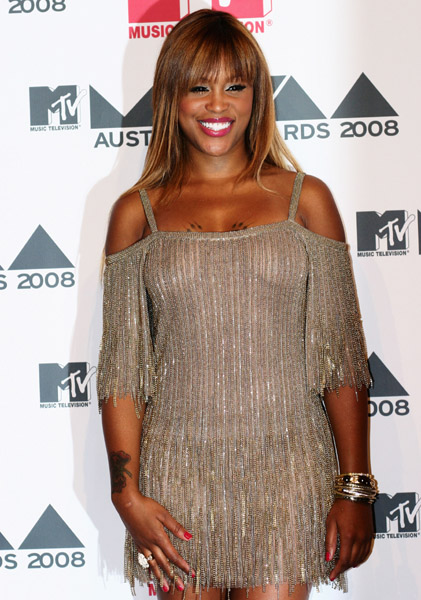
Do we buy Eve’s albums and celebrate her as the first lady of Muslims in Hip Hop? Did we watch her show or bring her up in discussions with friends to show them that Muslims are just like everybody else?


Did we watch and support Fatima Siad who made it to 3rd place in cycle 10 of America’s Next Top Model? She was born in Mogadishu, Somalia. Did this start off discussions about the diversity of the immigrant Muslim community?

Or what about an even more famous Somali American? Do we consider her status as super model as a sign that Americans accept Muslims?


Do we Love that Girl! Who has Afro-Panamanian and Indo-Trinidadians descent? Does her family history spark an interest in the Indian diaspora and the role of Islam in the Caribbean, in addition to Caribbean Americans?


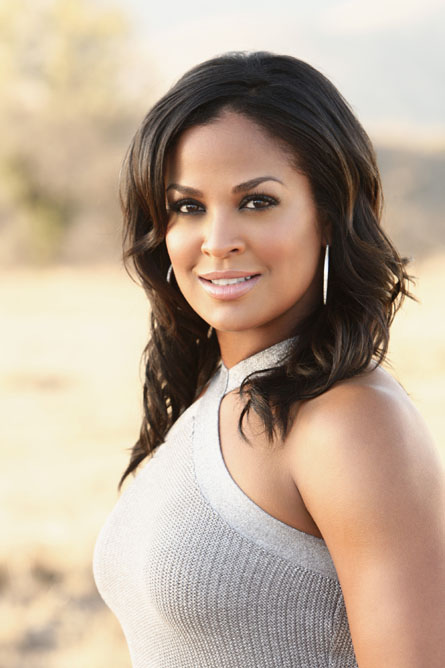
Do we watch and support Laila Ali, in her professional Boxing matches? Better yet, did we vote for her on Dancing with the Stars? She the daughter of one of the most iconic figures of African American Muslims, Muhammad Ali. But yet, do we see her strides in sports as reflecting a type of Muslim feminism?

I had two problems with the discourse on Rima Fakih and Miss USA: first, my Arab peers who expected me to celebrate this as a Muslim victory that demonstrates we Muslims are part of America too; and second, the Muslims who expected me to be angry because a Muslimah should not parade around in a bikini. Both stances assumes one thing, that being born into a Muslim family means that you are Muslim. And it also sends a stronger message, that all Arab issues are synonymous with Muslim issues. Often we are too broad in accepting every thing that people with Muslim heritage do as reflecting Islam in general. This is especially the case when it comes to Arab, Pakistani, or Indian Muslims. The women featured above are not seen as reflective of the state of Islam in America.

Wellness, Reconnecting with the Natural World, and Spiritual Rejuvenation

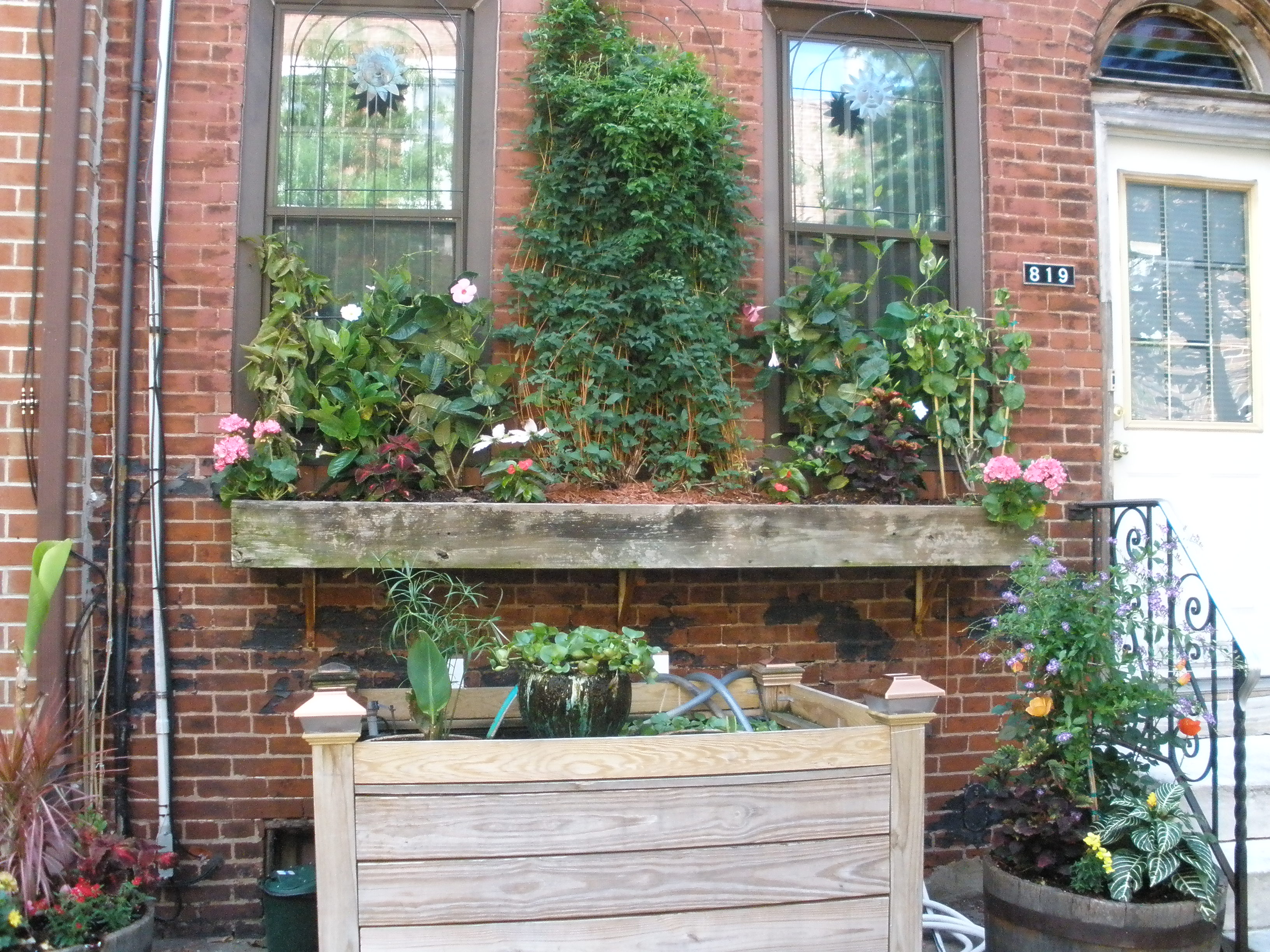
A street side garden near the Italian Market in Philadelphia

A physical and spiritual health crisis is brewing within the Black American community. Even Black American Muslims feel the effects of the urban condition and poverty, as well as materialism and a culture geared towards immediate gratification. What better way to feel gratified than eating? Even with our dietary restrictions and moral strictures, hypertension, diabetes, heart disease, and obesity are disproportionately taking younger and younger lives. Much of it comes from what we consume and how much we consume, in this culture of consumerism. In recent discussions at home, my husband and I have been discussing our relationship with the natural world, our relationship with food, and well-being food. He’s given a recent Khutbah on the Importance of Food and What Lies Beyond it. In it, he makes it clear that our relationship with food has spiritual dimensions. By eating healthy and incorporating daily activities, such as maintaining even a small garden or planting a tree, we can reconnect with ourselves and our natural world.

Muslim organizations are beginning to embrace this concept. At the school where I teach, the principal required all upper school students to write an essay on “Going Green” for a scholarship contest held by a Muslim organization. I read all of my students’ papers and so many of them were inspiring. I became even more conscious of the everyday decisions I make that affect the environment and my health. The winning paper, written by a young man in the 10th grade, was an excellent essay on eating locally grown organic non-processed food. He made a striking case for how eating locally grown food is more beneficial for the environment than processed food. Processed food is grown with chemicals that seep into our water system, in addition to being packaged and shipped, requiring petroleum for the plastics that wrap it and fuel to move it. Our industrial food complex is reeking havoc on the environment, just as it is ruining the health of so many Americans. I’ve known several people my age who have suffered from Diabetes and Hypertension. And the dietary changes they have to make include reducing red meat and eating low-fat foods and fresh vegetables.

You would think that obesity and diet related diseases would be the bastion of wealthy people who could afford to splurge on rich food. But it is not. The wealthy can afford healthy food much in the same way they can book vacations, go on retreats or hikes to rejuvenate both physically and spiritually. One of the first places we see inequality is in food access. Affluent neighborhoods have a plethora of food choices and with healthy restaurants. In gentrified neighborhoods you will always find a Wholefoods, Trader Joe’s, and your weekend Farmers Markets. In poorer neighborhoods, you will find sub-par produce, and often a lack of grocery stores. Farmers markets and the Mennonites don’t really make it deep into places like North Philly. Instead, you will find bodegas or corner stores full of highly processed junk food. But healthy eating, urban gardens, organic produce, and wholesome living are not just for tree hugging hippies or urban hipsters.

While privileged members of our society have greater access, there are religious leaders and social justice activists who are fighting for urban renewal and healthy food access. The tradition of diet and health has long roots in religious revival movements. My mother grew up Seventh Day Adventist,. She recalls going to camps where they adhered to vegetarianism and kosher dietary laws. The Nation of Islam also emphasized healthy eating and moderations. I remember picking up a copy of the NOI publication, How to Eat to Live. Black American Orthodox Muslims also have a long tradition in diet, health, and wellness. In the 20th century, such as the Izzidine village, emphasized self sustainable rural communities based on agriculture. Many of those who moved back to the urban environment continued to develop urban gardens that fed the local community. Muslim leaders continue to emphasize health and wellness as duties because “our bodies have rights over us.” They encourage eating halal food, as well as eating in moderation for our spiritual well being. Tied to taking care of our bodies because it has rights over us is our role as vicegerent of this Earth.

But sometimes in urban environments, it is hard to remember our vicegerency because we can’t see our link with nature and our food chain. However, some people are looking to rejuvenate the city with flower and vegetable gardens. I’ve passed by gardening clubs where members grow fruits and vegetables on their small high yield plots. Some gardens are so productive that they help stock pantries of soup kitchens. And many city dwellers are turning their backyards into produce centers. In fact, Urban gardening is about as hip walking spastic toy dogs. Not far from where we live is a communal garden full of hipsters who bring their own spades and shovels to reconnect with nature on weekends.

Even I’ve begun gardening in our small patio backyard. I didn’t start in order to jump on the bandwagon. But rather to reconnect with the natural world, which seems light years away from South Philly. I also wanted to connect with my heritage, my mother’s rural roots in New Jersey. It wasn’t until the great migration that thousands of Black Americans migrated from the rural south to Northern cities. And my grandmother’s roots in Georgia. My grandmother maintained a vegetable garden, as well as my mother.

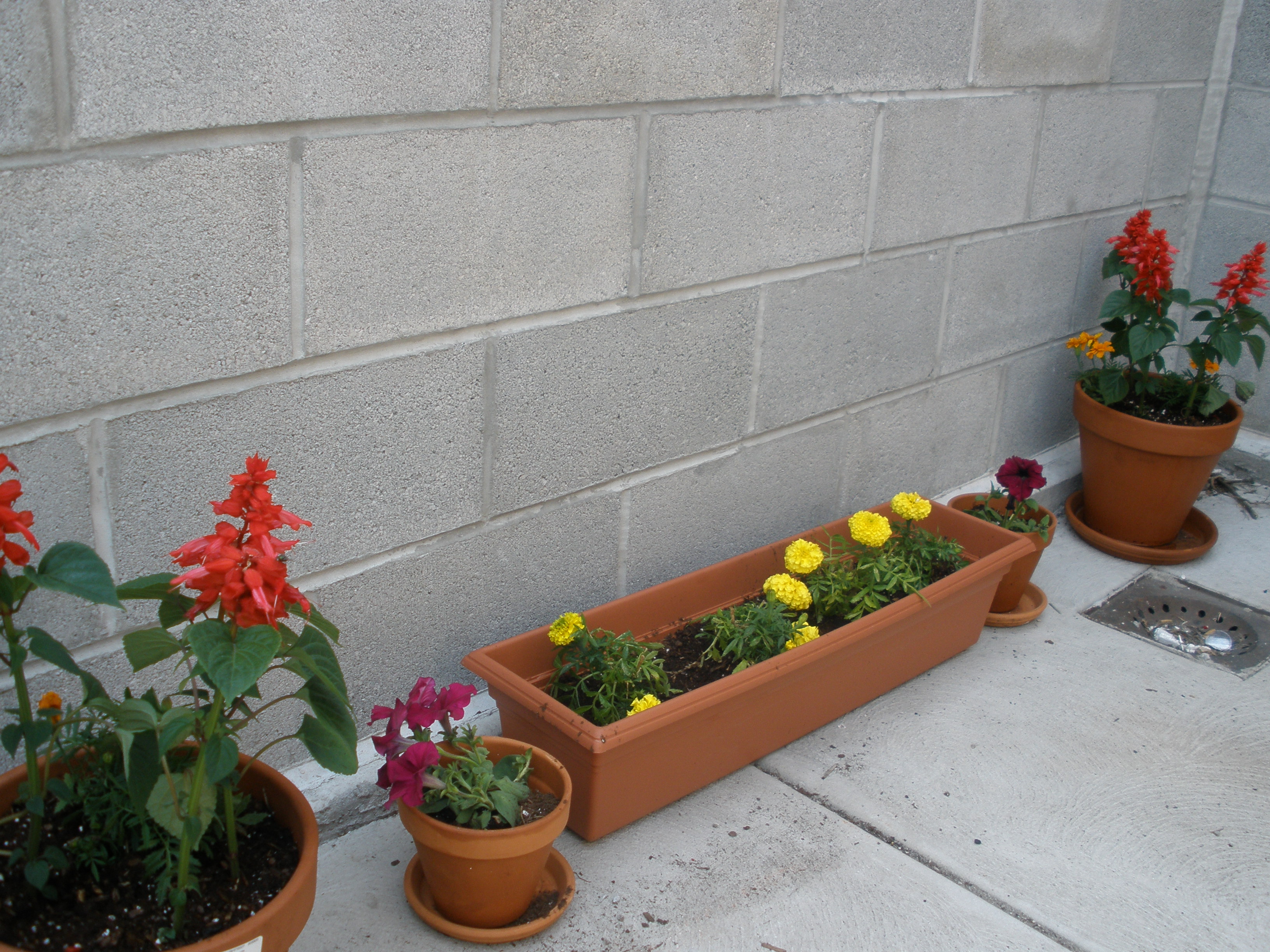
While I haven’t started a vegetable garden yet, for over a year I talked about getting a house plant so that we’d have something green in our apartment. Every time my husband brought home flowers, I’d brighten up. Now he smiles when he finds me in the backyard toiling away. I’ve nursed some marigolds without potting them for over two weeks. With the three-day weekend, I had an opportunity to take my garden to the next level. So I dragged my husband, who’s always supportive of whatever endeavor I take on, through the Italian market, to Walmart, and the Urban Jungle store in search of the supplies I needed to create our own little back yard paradise.

I woke up this morning to see if I killed any of those little plants. And with a sigh of relief I saw them bright and cherry. But later in the afternoon, I had to rescue my wilting Salvias from the prostrating heat. I really understood our relationship with nature as I saw the leaves begin to stretch out with life again and the stems stand up straight with pride just a half hour after my efforts at watering and adding more soil to my pots. I felt a bit of wonder as I saw a butterfly float into my backyard and dance around from flower to flower. Perhaps it may not have found its way to my patio had it not seen the flowers. Perhaps I could draw more butterflies. Better yet, I’m thinking I could hang a bird feeder as a next step.

Recently I looked up the vegetables that are ideal to begin planting in June. I’m going to get my seeds and start. Perhaps this Fall, we can enjoy our first harvest. It’s a small step. But it goes a long way in helping me appreciate the difficult journey our food makes to our mouth. Our lifestyle has led to us being alienated from ourselves and disconnected with our natural world. Thus, we abuse our bodies with unhealthy food, our bodies atrophy from inactivity, and we are blocked from seeing the many beautiful signs of Allah through his creation. Having something alive and growing around us reminds us of Allah’s wonders, even if we can’t hike at Yosemite every weekend. Perhaps with my little garden I can be more mindful of Allah’s mercy and my “bismillah” before each meal will be said with more meaning and sincerity.

UMM Qur’an Summer Camp 2010


One thing Philly does well is summer camp for Muslim kids. I know several people who are involved with organizing camps and children’s classes. I’m really excited to be involved with this one. I have so much to learn from the other teachers and I look forward to working with the youth camp counselors. I will keep you posted.

Folk Religion and the Sunni Gaze

Traveling to Muslim majority countries, you may find some things that do not seem to jive well with our (Western) understanding of Islam. I remember living in Fez in Summer of 2005, where I encountered other Western Muslims who had to come to terms with the contradictions of tradition and Islam. There were two British Muslims, one a convert and another from a South Asian background, who were so appalled by folk religion that they wanted to high tail it out of there. As Salafis, they condemned the innovation they saw everywhere. I wasn’t as interested in condemning Morocco as a whole country. My rudimentary training in ethnography gave me a certain tolerance for folk religion. I was interested in the roots of some practices, whether or not they were indigenous and reflected Berber folklore or influenced by sub-Saharan African traditional religions brought over by descendants of slaves.

The previous year, I had travelled to Morocco for a six week summer program. We went to various sites to see cultural and religious practices. On one of these trips, we passed by the shrine of Moulay Idris II in Fez, noted as a women’s masjid. You can enter Fez’s Old City in one of several gates and walk through winding narrow streets that are like arteries in an organic body. Buildings merge into the ancient city scape, and your senses are assaulted with all sorts of sights, smells, and sounds, some good and some bad. At Moulay Idriss, women light candles and burn incense for fertility. I remember seeing padlocks tied to the grate. For hundreds of years women placed locks on the grate after praying to Moulay Idriss to help them solve a dilemma, a difficult husband, unruly child, or help them conceive and deliver a child. Today, students place the padlock for their examinations.

I was never a superstitious Muslim, but I heard my fair share of scary Jinn stories. In a society where there is a 25% unemployment rate and most people are underemployed and poor compensated, hard times are often blamed on curses and jinns. Just as psychological illness is blamed on Jinn. Once, we visited the shrine of Sidi Hamdush and saw the oracle that was just below the shrine. The View from Fez has some beautiful pictures of the Moroccan Sufi Festival Sidi Ali. Out of respect and fear of reprisal, I did not take pictures of the oracle, the man who did not cut his hair, beard, and seemed to not have bathed in months. Outside of the oracle, was a line of shops selling items that a pilgrim could sacrifice at the oracle. The oracle would read look at people and tell them what jinn was possessing them and possible ways to excorcise that jinn. Moroccan authorities are very uncomfortable with Westerners visiting these places, mainly because they don’t want to draw too much attention to controversial ecstatic sufi practices. Near the shrine, was a spring where women bathed with hopes that it would help with fertility.

Once I remove that scholarly lens, I try to think about what do these experiences mean to me as an American Muslim. It raises important questions regarding espousing beliefs that run counter to the belief system we espouse. My observations in Egypt, Kuwait, and Morocco help me see that no one society has Islam on lock. In order words, we all have bits and pieces that we try to string together. My experiences remind me how easy it is to continually incorporating thought patterns and belief systems which run counter to tawheed. Importantly, it makes me grateful, in many ways, that I have access to learning where I was able to learn about Islam relatively free from cultural baggage and superstition. Islam freed me from perpetual fear of jealousy, curses, randomness, capricious spirits, and emptiness. I’ve learned that Allah has my back and I don’t need to go to a special holy person to pray for me or carry around some amulet to protect me from harm. There is no transformation or power except through Allah.

Muslim Survival Kits

Being a practicing Muslim in America requires critical thinking and creativity, as well as perseverance. One can remain practice comfortably at home, but working and interacting with people outside of Muslim establishments can be a challenge, especially for women. This is especially the case when it comes time to make salat (the ritual prayer that Muslims make 5 times a day). Normally when I plan my errands, I take into consideration prayer times. I will often wait till after dhuhr (afternoon prayer) before leaving the house and limit my trips so that I will be home in time to make Asr(late noon). If I can’t do that, then I will map out local masajid (with actual women’s section) where I can stop. Sometimes, however, a masjid is not near by. Even the best planning doesn’t work out so well. That is why you have to plan ahead and be prepared.

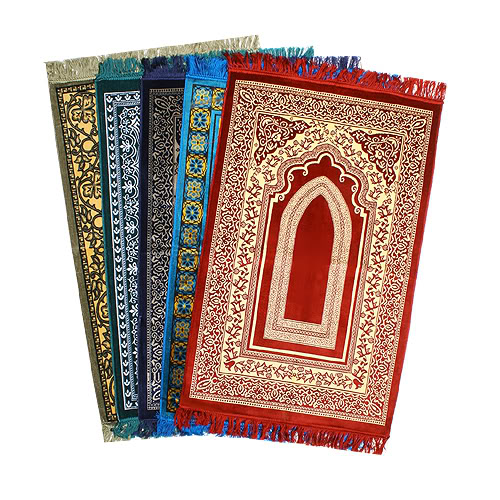
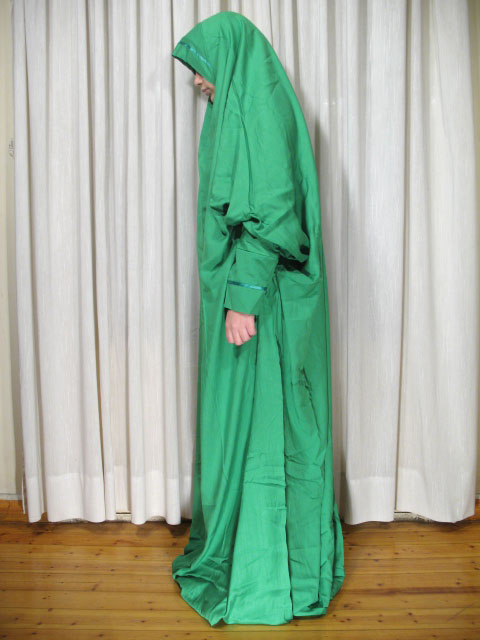
Every Muslim should have a Muslim survival. The survival kit can consist of a number of items. But the basics that ensure Muslim ritual purity and a clean place for prayer are, a water bottle, a prayer mat, and proper attire.

Over the years I have had to come up with make-shift solutions for wudu (ritual ablution) when there is not a bathroom or faucet in sight, clean prayer areas when my prayer mat is in another state, or a private space to make my salat (ritual prayer). I’ve made wudhu with bottled water because the bathrooms were so scary. I’ve made sajdah on notebook paper. And I’ve prayed in dressing rooms or between cars in parking lots. I’ve even seen women pray in sheets when they couldn’t find their prayer outfit in the dark.

Although there are times when we have to resort to desperate measures, there are inventive Muslims who are trying to make our lives easier. I’ve seen beautifully designed prayer outfits that fold up in convenient pouches. I own a few light weight rugs that I take with me on long errand runs. I even have my own batter powered handheld bidet. Still, I’m anticipating even greater quality of items, such as compasses, travel rugs, micro-light prayer outfits, and bidets that can help make life easier.There are several examples on the internet including the following:

My husband’s friend has a more involved Muslim survival kit than the one mentioned above. I addition to the water bottle his kit includes a bottle of Lysol, bleach cleaner, paper towels, a squeeze bottle for istinjah, Tinactin to avoid athlete’s foot contracted from damp rugs, and flip flops to avoid contracting athlete’s feet from the hamam ship ships. He uses this kit to survive the hazards of the men’s restrooms in masajid. My husband recounts the horrors of men’s bathrooms which are notorious across all cultures. And even I’ve been to scary bathrooms frequented by women. The worst places were the women’s bathrooms in many Cairo masajid. The stench spilled over into the women’s sections of the prayer hall. Sadly, I admit there were times when I decided to make up my prayer at home for fear that I’d trail some urine or fecal matter on my clothes. I think this is why many uninformed Muslims think that if your feet touch the floor of a bathroom, it breaks your wudhu. While it may not break your wudhu, in many Muslim bathrooms, one slip up may soil your clothes with an impurity that needs to be ritually cleaned three times before you can pray in it. I’m not a scholar, so I’ll defer that issue to a faqih. But back to my point, whether you are camping in the wilderness of North America, in a Muslim country, or doing errands near your local American Muslim community, you may need to have your survival kit ready. Are you ready?

Doodles from a Teacher’s Desk

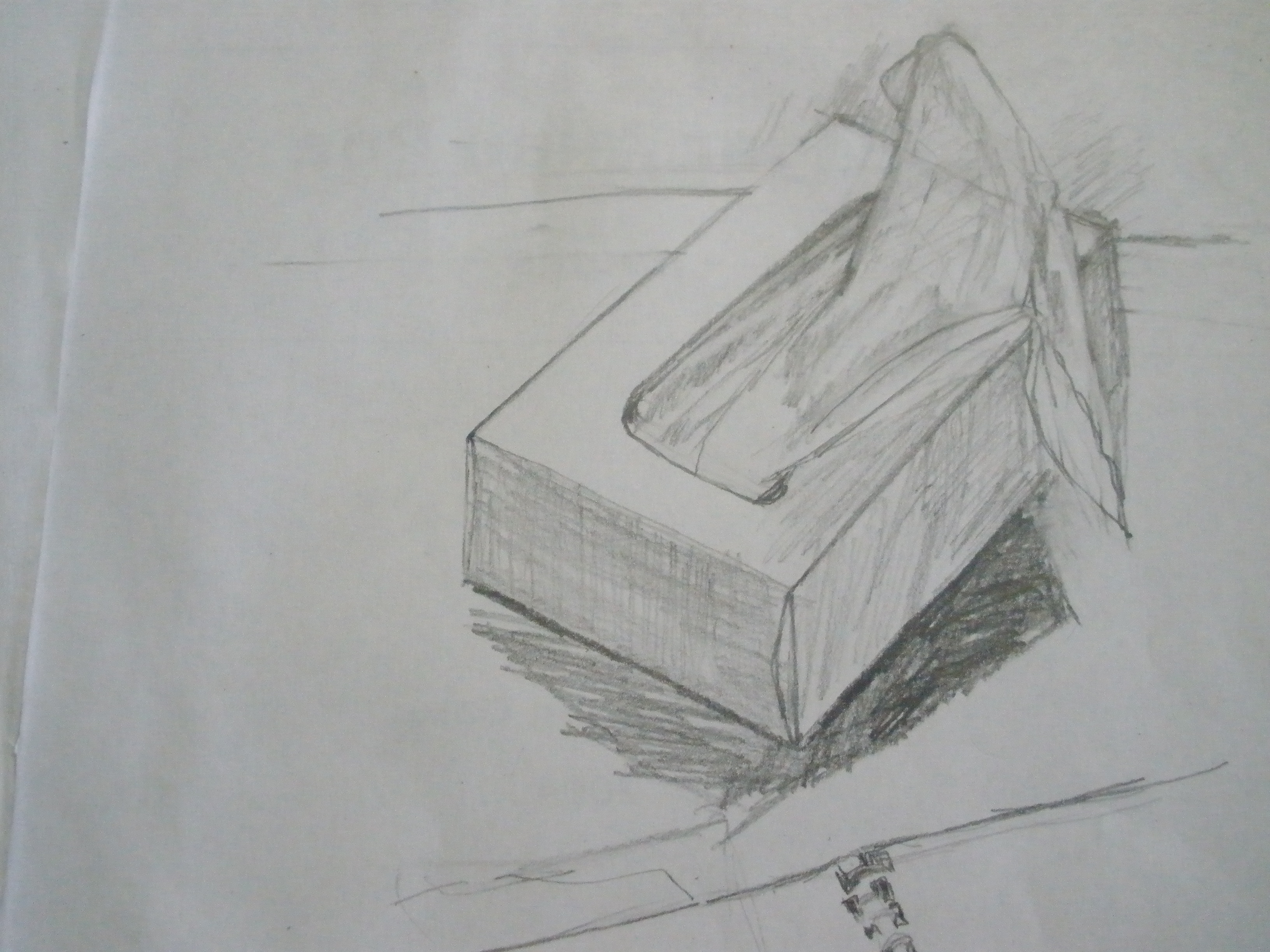
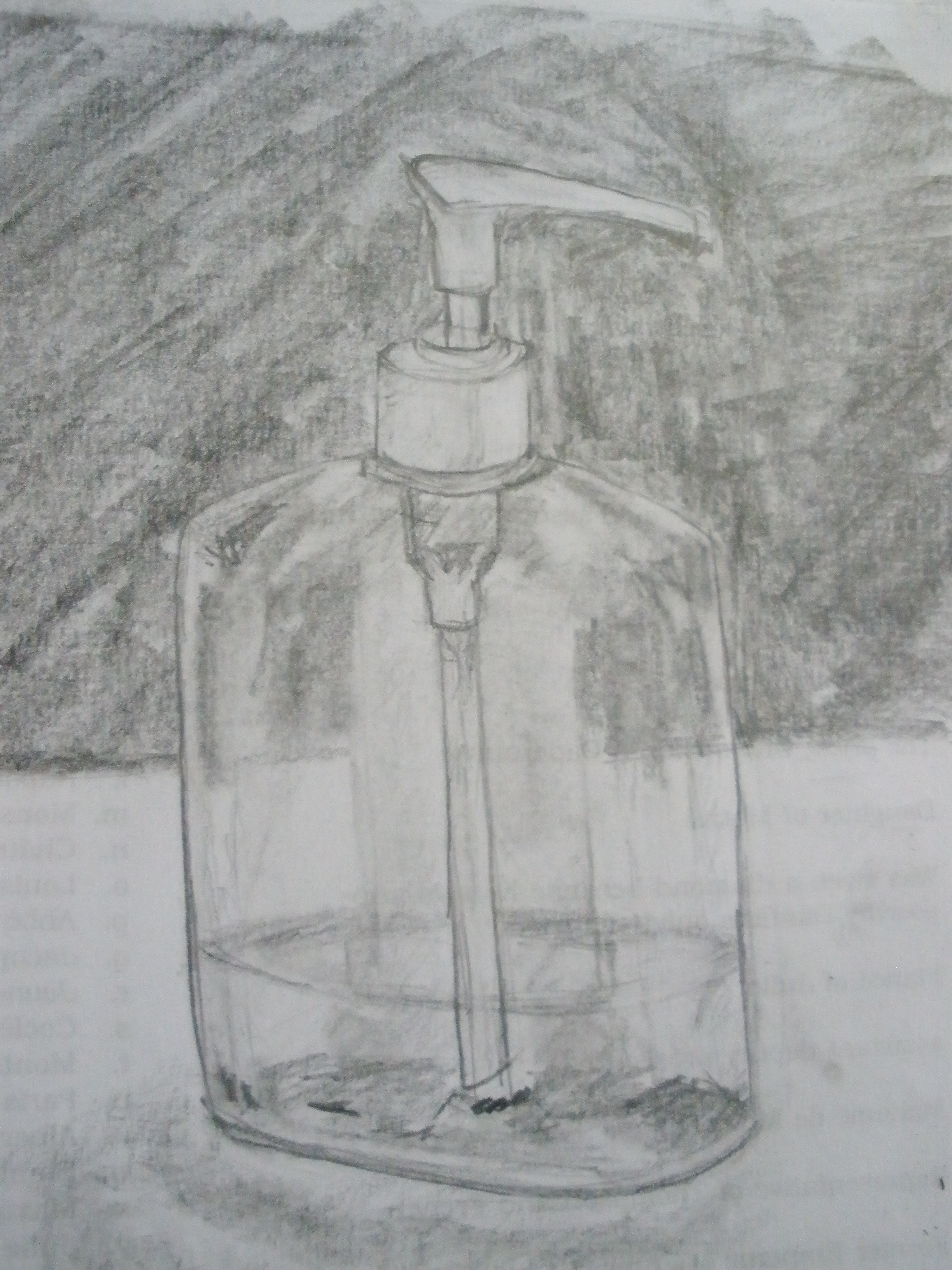
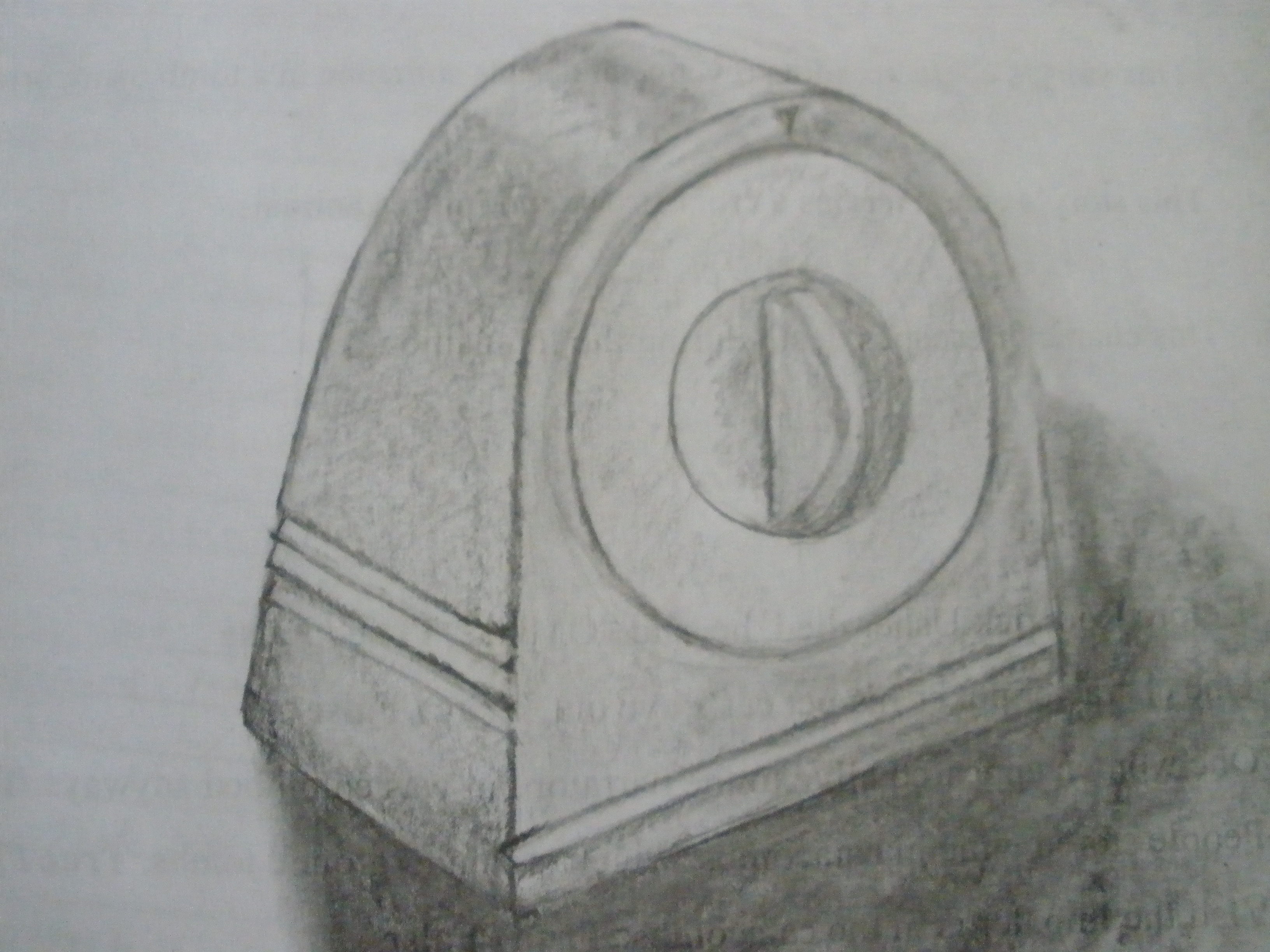
The life an educator has its highs and lows. Some days are exhilarating, as break down a difficult lesson or skill set and catch a glimpse of that spark of eureka in a number of my students’ eyes. There are, however, times when the day just drones on and I ponder my existence as a teacher. This is how I feel proctoring marathon sessions of the PSSA standardized exams. The day drags on, as I sit for hours deprived of meaningful student-teacher interaction. While they fill in bubbles for hours, I try to grade homework and quizzes. But generally, the lack of interaction lulls me to sleep. I try to get work done, but reminding students to not talk while exams are still out interrupt my thought process. The life of an educator means you have to find little joys in otherwise thankless days. Hence, doodling takes a new life: drawings from the teacher’s desk. While my students studied and examed away, I drew and stuff on my desk. Each day I picked something different using a number two pencil and some scratch paper.

.