
The United States and Canada observe Labor Day every first Monday of September. The rest of the world honors Labor Day on May 1st. Instead of reflecting on the accomplishments and contributions of workers, we take a holiday, run errands, or shop. September’s Labor Day lacks rallies, commemorations, or political education efforts. Workers do not get a space to voice their demands or concerns. Labor Day sales do not help us connect our struggles with economic justice. Our September Labor Day is simply a pressure cooker, a federal day off that many disenfranchised do not get.
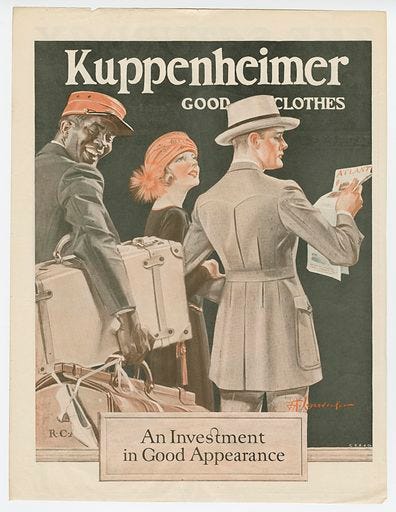
Racial divisions have historically been used to distract working-class people from the real problem. Some exploit immigrants to create a buffer class. For example, Henry Ford’s racism towards African Americans and anti-Semitism towards Jews drove him to exploit immigrants arriving from the Levant. Now many labor unions explore the connections, recognize the historical inequities, and center racial equity.
Land theft, economic exploitation, and militarism are pillars of the system of inequality that we see today. Coercion and prejudice continue to shape how we think and our political institutions. Over the past few decades, we’ve seen increasing vilification of unions and dismissals of workers’ rights.
For a brief moment, during the pandemic, our society became aware of front-line and essential workers. These include cashiers, food processors, agricultural workers, and drivers. During the height of the pandemic, conversations about race and labor led to mobilizations on our streets. However, our movement became coopted. This contentious election cycle should cause us to pause and question. Who is winning? What is the fallout of the pandemic recovery, the forever wars, and the genocides playing out on our mobile devices? This Labor Day, instead of shopping or binging the next show, we need to think about economic justice, and why centering immigrant laborers and the 800,000 prison laborers can help us build a more just society.
 Margari Aziza